Understanding Underbites: Causes, Effects, and Treatment Options
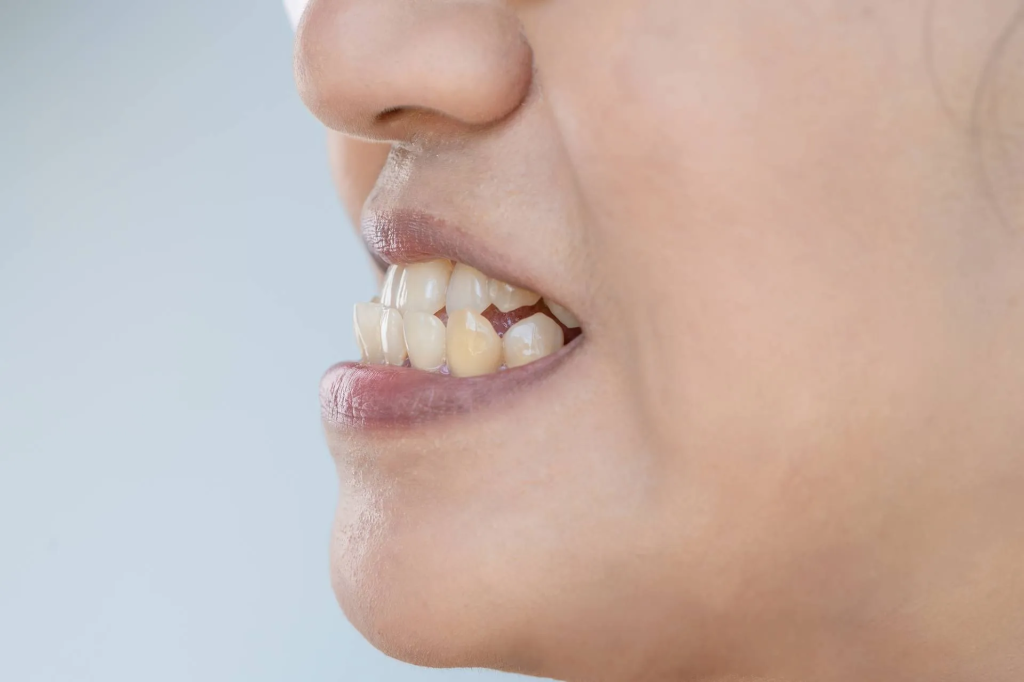
In a healthy bite, the upper teeth slightly overlap the lower teeth, but with an underbite, the lower jaw and teeth extend beyond the upper teeth. It affects how your teeth work and how your face looks and can be mild or severe. While an underbite might be cute on a boxer, pug, or terrier, it can present more than just an aesthetic concern for humans.
In this article, we’ll explore the causes of an underbite, possible complications, and treatment options, including non-surgical and orthodontic solutions.
What Are the Common Causes of an Underbite?
An underbite can develop for several reasons, often due to a combination of factors. Here’s a closer look at some of the most common causes of an underbite:
Genetics. If one or both parents have an underbite, their children are more likely to develop the same condition. That’s because jaw and teeth development is often passed down from generation to generation.
Childhood habits like thumb-sucking, using a pacifier for too long, or extended bottle-feeding can put pressure on the developing teeth and jaw, leading to misalignment over time.
Accidents or trauma to the jaw or teeth can shift the alignment of your teeth, which can sometimes cause an underbite.
A tumor or abnormal growth in the jaw can lead to misalignment. While rare, it can cause the lower jaw to grow differently from the upper jaw, leading to an underbite.
Common Signs of an Underbite
An underbite is often easy to identify because the lower jaw sticks out more than the upper jaw. If left untreated, it can lead to oral health problems over time. Here are some common signs of an underbite:
Misaligned teeth can make chewing difficult, preventing effective grinding of food, which might eventually lead to digestive issues.
Speech issues may arise because jaw misalignment impacts the movement of the tongue, making it harder to pronounce certain sounds clearly, especially in more severe cases.
Changes in facial structure are noticeable, with the lower jaw often appearing more prominent, which can affect one’s overall appearance.
Complications of an Untreated Underbite
If left untreated, underbites can lead to a variety of complications that affect both oral health and overall well-being, including:
Dental issues can occur, including increased tooth decay and gum disease risk. That’s because misalignment makes it harder to clean teeth properly, and uneven wear on the teeth can contribute to further damage and discomfort.
TMJ (temporomandibular joint) disorders can develop due to jaw misalignment, causing pain or discomfort in the temporomandibular joint, leading to jaw pain, headaches, or clicking sounds when opening or closing the mouth.
Speech problems may emerge because jaw misalignment can affect tongue movement, making it difficult to pronounce certain sounds. This can lead to speech difficulties, especially in more severe underbite cases.
Preventing an Underbite
While preventing an underbite isn’t always possible, taking early steps to support proper jaw and teeth development, especially for children, can make a big difference in minimizing the risk of serious misalignment later on. Some strategies that can help include:
Early orthodontic evaluation, especially for children, can help identify any signs of an underbite before they become more serious.
Dental appliances like expanders may be recommended by an orthodontist to help encourage the proper development of the upper and lower jaws, which can reduce the likelihood of an underbite.
Limiting thumb-sucking and pacifier use is important because prolonged use can put pressure on a child’s developing teeth and jaw, potentially leading to an underbite. Reducing these habits as your child grows may help prevent unnecessary pressure that contributes to misalignment.
Stopping bottle-feeding beyond infancy may help prevent issues with the growth and positioning of the teeth. Once the infant years are over, transitioning to other feeding methods reduces the pressure on the teeth and jaw, which may lead to an underbite.
Regular dental visits allow your child’s dentist to monitor oral health and jaw development. These visits provide an opportunity to catch any early signs of potential problems and get professional advice on how to manage them.
Treatment Options for an Underbite
Several treatment options are available for correcting an underbite. The best course of treatment depends on the severity of the underbite and your specific needs.
Braces and aligners may be recommended for mild to moderate underbites. Braces work by applying constant pressure to the teeth, gradually moving them into their correct positions. Clear aligners, like Invisalign®, are an alternative that some patients prefer due to their discreet appearance. Depending on how complex it is, these options can take anywhere from several months to a few years to fully correct an underbite.
Jaw surgery may be needed for severe underbites, especially when there is significant misalignment of the jawbones. This surgery, called orthognathic surgery, involves repositioning the jaw to correct the bite. It’s usually done after growth has stopped, typically in late teenage years or early adulthood. While recovery can take several weeks and require follow-up care, it can provide a lasting solution for severe underbites.
Dental appliances, like headgear or palate expanders, may be recommended by your orthodontist to help redirect the growth of the jaw and teeth, creating the necessary space for proper alignment. These appliances are most commonly used in children; however, they can be effective in some adult cases—particularly if a smaller-than-usual upper jaw causes the underbite.
Taking the Next Steps to Fix an Underbite
Keeping up with good oral hygiene, including regular dental checkups, brushing, and flossing, can help prevent other dental problems if you have an underbite. However, booking an appointment with a dentist or orthodontist to create a personalized treatment plan is key to protecting your oral health and boosting your confidence.